
Most people visit Paris and stay there. Which makes sense the city’s gravity is real. But here’s what we’ve learned after two decades of building journeys: the real France isn’t in museums or on picture postcards. It’s in the moments when you step outside the machinery of tourism and find yourself in a place that doesn’t need you to understand it instantly.
The regions around Paris, Champagne, the Loire, Normandy aren’t escapes from Paris. They’re continuations of it, deeper versions where fewer people are watching, and the people who built these places still remember why.
What follows isn’t a checklist of “destinations.” It’s how we actually work: we find the people who know these places better than anyone, we learn their rhythms, and we arrange access that feels less like a transaction and more like being invited into something that matters.


The Chalk Cellars of Maison Ruinart: Where Time Actually Moves Differently
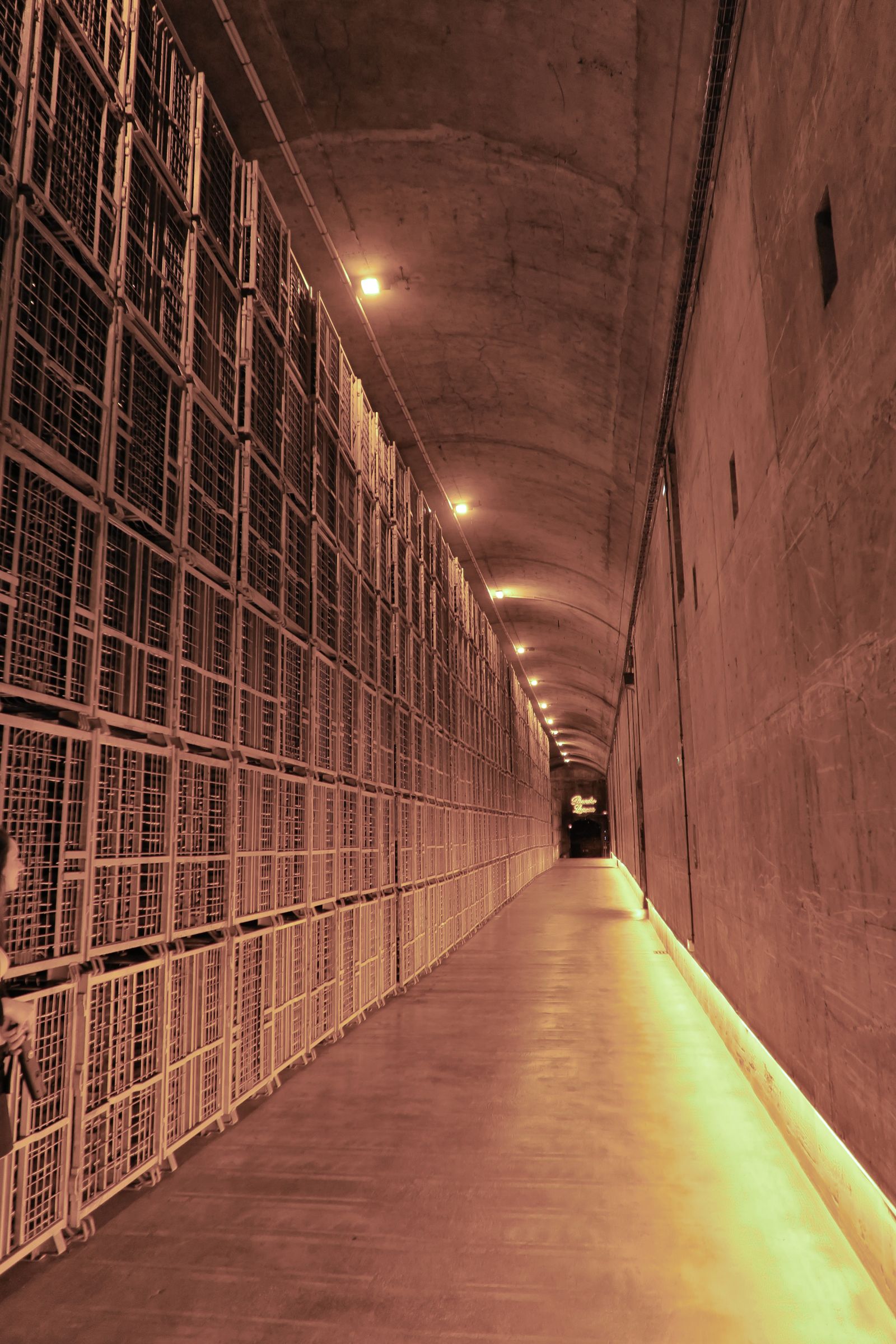
There’s a moment, about thirty meters below Reims, where the temperature drops and the sound of the city vanishes completely. You’re standing in chalk walls that were carved out by Roman legions two thousand years ago. Later, monks used the same caverns to age wine. Now, there are 25 kilometers of tunnels beneath the city white, cool, silent.
Most people do the Ruinart tour in a group, maybe forty minutes, a hushed walk past chalk walls while someone explains the chemistry of chalk-based cellars. Which is fine. But here’s the difference: when we arrange a visit, we don’t just get a tour. We work with someone on their team usually one of the people who actually manages the production to spend time understanding why they do what they do. Why Ruinart insists on hand-riddling their bottles, This is the level of detail we pursue in all our private wine encounters. Why Chardonnay matters so much here. Why the chalk itself makes a difference.
The tasting happens in a small salon, not the main room. You’re drinking the Dom Ruinart Blanc de Blancs in the place where decisions about it were made. That changes what you’re tasting.
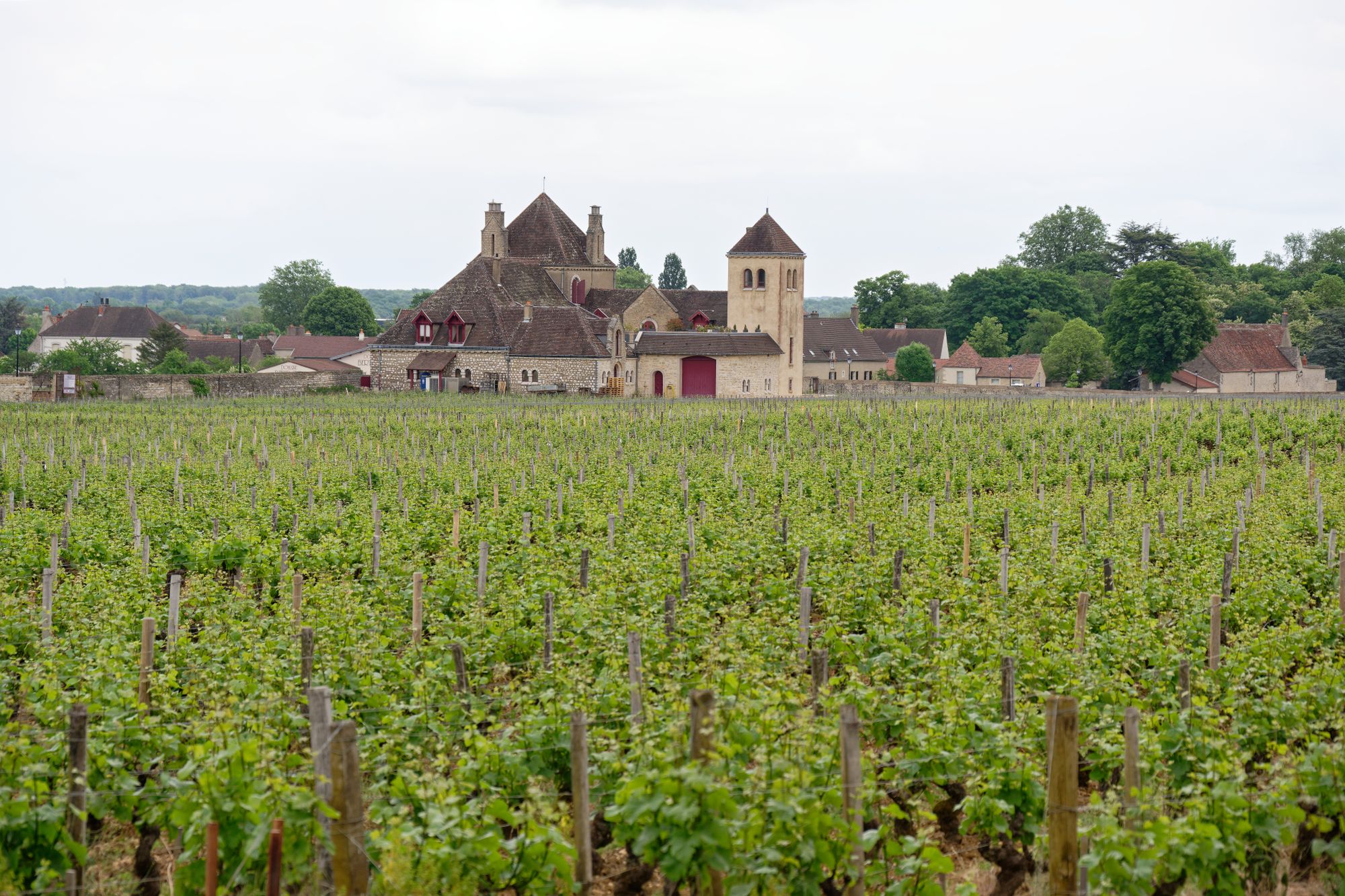
After, and this matters you leave before the afternoon tour groups arrive. The drive to lunch is forty-five minutes through vineyards that are quietly extraordinary if you’re not rushing through them. We usually eat at Les Crayères, a Michelin two-star restaurant set in a classical château on the edge of Reims. The wine list there is almost absurdly good because the owner buys directly from small growers. The food isn’t trying to impress you; it’s rooted in the region.
You’re back in Paris by evening, and you don’t feel like you’ve done a day trip. You feel like you’ve understood something.
Logistics: 45 minutes by TGV (first class is worth it—the light through the windows alone is worth the upgrade) or about two hours by private car if you prefer not to move twice. May through October is ideal, but September is genuinely special—the city feels like it’s breathed.


Giverny at Sunrise: Before the Painting Becomes a Postcard
Claude Monet painted his water lilies for thirty years from the same vantage point. He painted them in different light, different seasons, different moods. The point wasn’t to capture the “perfect” image of the garden. The point was to understand what changes and what endures.
Most people see Giverny between ten in the morning and four in the afternoon, when the Japanese bridge is a bottleneck of people holding phones. It’s still beautiful. But it’s not the place Monet was actually looking at.
We arrange access to the garden in the early morning before the gates officially open.It is an experience as curated as the gardens of Vaux-le-Vicomte. You’re walking the paths in half-light, when the water lilies are still emerging from the night, when the air has that particular quality that made Monet reach for the brush in the first place. The garden feels private not because it is exclusive, but because almost no one is there to interrupt the actual experience of it.
The Japanese bridge, that famous green arc, becomes less about the photo and more about the geometry, why Monet placed it exactly there, what it frames, how it changes as you walk across it. You spend real time. There’s no schedule pushing you forward.
Afterward, lunch at Le Jardin des Plumes is about a fifteen-minute drive into Vernon. Chef Éric Guérin cooks with ingredients from the surrounding Norman farmland this isn’t “inspired by” local flavors, it’s literally cooked from them. The restaurant sits in a manor house that feels less like a destination restaurant and more like someone’s home where they happen to cook exceptionally well. The wine list skews toward small Norman producers. The pace is unhurried.
Logistics: About an hour by car from Paris, or ninety minutes by train if you want to take the TGV to Vernon and have a car meet you there. Go early genuinely early. We’re talking six-thirty arrival at the garden. The difference between that and nine o’clock is everything.


Abbaye de Jumièges: What Ruin Actually Means
Victor Hugo walked through the Abbaye de Jumièges in the 1830s and called it “the most beautiful ruin in France.” He was right. It’s also one of the least crowded sacred spaces we know.
Unlike Mont Saint-Michel, which everyone’s heard of, Jumièges sits quietly on a loop of the Seine in Normandy, dramatic stone towers with no roof, no walls in places, just architecture open to the sky. A thousand years of history in an absence of roof.
The experience here is simple: you arrive late afternoon, when the light turns the stones warm and the river beside it reflects everything. There are maybe a dozen other people, mostly locals. You walk through the nave without a roof, and the light is doing what it’s done for centuries, and there’s no narrative someone’s trying to sell you about what it “means.”
We arrange access through the groundskeeper a man named Pierre who’s been there for thirty years to have a small picnic setup near the water: a blanket, local Camembert from Normandy, fresh bread from a bakery in Rouen, Norman ciders (which are genuinely extraordinary and almost nobody outside the region knows this), maybe some local pâté. You sit there as the light changes, as the abbey becomes different in each hour, as the river moves quietly beside you.
It’s not “luxury” in the sense of caviar and champagne. It’s luxury in the sense of time, space, and attention, the things that actually matter.
Logistics: About two hours by car from Paris. This works perfectly as part of a longer Normandy journey, you can continue to Honfleur, Deauville, or even down to D-Day beaches. The Seine loop makes it feel less like a separate destination and more like a natural part of understanding the region.
FAQ: Paris Luxury Day Trips
No. We provide private chauffeurs (Mercedes S-Class or V-Class) for all day trips. For longer distances like Bordeaux or Mont Saint-Michel, we arrange First Class high-speed train tickets or private helicopter transfers.
Absolutely. Reims is only 45 minutes from Paris by TGV train. You can visit a major house (like Ruinart) and a small grower, enjoy a gastronomic lunch, and be back in Paris for dinner.
No. Monet’s House and Gardens are open from April 1st to November 1st. The best time for flowers is May/June, but September offers beautiful light and fewer crowds.
The Real Question
All of this assumes something: that you're willing to move slower than the travel industry wants you to. That you'd rather spend three hours understanding one place than checking off five destinations. That a picnic beside an abbey at sunset matters more than being able to say you've been to every major sight.
If that's not your rhythm, that's fine. But if it is if you've spent decades seeing famous things and finding that the moment you photograph them is the moment they disappear then these places are worth the time.
We don't arrange these trips constantly. We do them when the timing is right, when we can actually create the conditions for something real to happen. Which means reaching out to us directly, having an actual conversation about what would genuinely move you, and then moving carefully.
Some of the best experiences can't be packaged. But they can be orchestrated by people who know the actual places, not the promotional versions of them.
Reach out if you want to understand what that looks like.